Did God Really Talk to People?
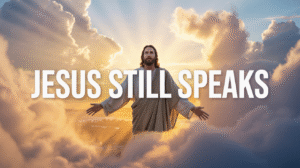
Did God really talk to people, or is that just a religious claim passed down for comfort? This question sits at the very foundation of Christianity. If God never spoke, then faith would be built on assumption. But if God truly spoke, then Christianity rests on revelation, not imagination.
The Bible does not hesitate on this issue.
Hebrews 1:1–2 says,
“God, who at various times and in various ways spoke in time past to the fathers by the prophets, has in these last days spoken to us by His Son.”
According to Scripture, God speaking is not rare or symbolic. It is consistent, intentional, and central to who He is. From the opening pages of Genesis, God speaks creation into existence, speaks to mankind, and reveals His will through words.
Christianity does not teach that humans discovered God on their own. It teaches that God revealed Himself.
If God Is Real, Why Does He Feel Silent Today?
This is often the real heart of the question. Many people believe God exists, yet feel as though He is silent. Prayers seem unanswered. Scripture feels dry. Silence feels personal.
The Bible addresses this tension honestly.
Isaiah 55:8–9 says,
“For My thoughts are not your thoughts, nor are your ways My ways,” says the Lord.
God does not operate on human timelines or expectations. Silence in Scripture is often a season of refining, testing, or growth. It is not proof of absence.
Jesus made this clear when He said in John 10:27,
“My sheep hear My voice, and I know them, and they follow Me.”
That verse assumes God still speaks. It also shows that hearing Him is tied to relationship and obedience, not curiosity alone.
Many believers struggle during seasons when God feels distant. If you have ever wrestled with that feeling, the article on why feeling distant from God does not mean He has left you explains this experience in a grounded, biblical way.
God Spoke Clearly to People in the Old Testament
The Old Testament does not describe God as a distant force or abstract idea. It presents Him as a personal God who initiates communication with humanity.
God spoke to Adam and Eve in the garden. Genesis 3:8 tells us they heard the sound of the Lord God walking in the garden. This was not symbolism. It was relationship.
God spoke directly to Noah, warning him of coming judgment and giving clear instructions for salvation. Genesis 6:13 records God explaining exactly what was about to happen and what Noah needed to do.
God spoke to Abraham and changed history through one command.
Genesis 12:1 says,
“Get out of your country, from your family and from your father’s house, to a land that I will show you.”
Abraham did not follow a feeling. He followed a spoken instruction.
God spoke to Moses from a burning bush and later face to face. Exodus 3:4 records God calling Moses by name. These were not internal impressions or vague nudges. They were direct encounters.
These accounts reinforce what Scripture teaches about the historical reliability of the Bible and why Christians trust its testimony.
God Did Not Only Speak to Prophets and Kings
A common misconception is that God only spoke to spiritual elites. Scripture tells a different story.
God spoke to shepherds, farmers, judges, and even children. Samuel was still young when God called him by name.
1 Samuel 3:10 says,
“Now the Lord came and stood and called as at other times, ‘Samuel! Samuel!’ And Samuel answered, ‘Speak, for Your servant hears.’”
That response matters. God speaks to those who are willing to listen, not those who believe they are important enough to be heard.
Amos 3:7 confirms this pattern,
“Surely the Lord God does nothing, unless He reveals His secret to His servants the prophets.”
God’s communication was never random. It was purposeful and always tied to obedience and truth.
This becomes especially important today when learning how to discern truth and recognize false teachers, something Scripture repeatedly warns believers about.

Jesus Is God Speaking in Human Form
If the Bible stopped with prophets, people could still argue that God only spoke through intermediaries. Christianity goes further. It claims that God did not just send messages. He showed up.
John 1:1–2 says,
“In the beginning was the Word, and the Word was with God, and the Word was God.”
Then a few verses later, John 1:14 makes the claim unmistakable,
“And the Word became flesh and dwelt among us.”
According to Scripture, Jesus is not simply a teacher repeating God’s words. Jesus is God speaking in human form. Every word Jesus spoke carries divine authority because He is not relaying a message. He is the message.
Hebrews 1:1–2 reinforces this truth again,
“God… has in these last days spoken to us by His Son.”
This is why Christianity is different from every other belief system. God did not remain distant. He entered history, walked among people, spoke plainly, corrected errors, exposed sin, and revealed truth face to face.
If Jesus truly is who He claimed to be, then His words are not optional advice. They are God speaking directly to humanity. That is why taking Jesus seriously is not a side issue but the foundation of faith, as explained more deeply in this reflection on what Jesus actually sacrificed and why it matters.
Did God Stop Speaking After the Bible Was Written?
This question causes confusion because people often mix different ideas together. The Bible makes an important distinction between God giving new revelation and God continuing to guide His people.
The Bible teaches that Scripture is complete, sufficient, and authoritative. God is not adding new doctrines or rewriting truth. Jude 1:3 says the faith was “once for all delivered to the saints.”
At the same time, Scripture does not teach that God became silent.
Hebrews 4:12 says,
“For the word of God is living and powerful.”
Living does not mean outdated words echoing from the past. It means God still speaks through what He has already revealed.
Jesus also promised that the Holy Spirit would continue to guide believers. John 16:13 says,
“When He, the Spirit of truth, has come, He will guide you into all truth.”
God speaks today through Scripture illuminated by the Holy Spirit, not through new messages that contradict the Bible. This balance protects believers from deception while allowing real relationship.
Understanding this distinction is critical, especially when evaluating voices claiming divine authority. That is why learning how to discern truth and avoid false spiritual claims is not optional for Christians.

How God Speaks Today According to the Bible
The Bible never instructs believers to chase signs, voices, or mystical experiences. Instead, it outlines clear and reliable ways God communicates today.
God speaks through Scripture
The primary way God speaks is through His written Word. Psalm 119:105 says,
“Your word is a lamp to my feet and a light to my path.”
God speaks through the Holy Spirit
Romans 8:16 says the Spirit bears witness with our spirit. This is conviction, guidance, and confirmation aligned with Scripture, not random impressions.
God speaks through prayer
Prayer is not about informing God. It is about involving God. When prayer aligns with His will, direction becomes clearer. Learning how to pray according to the Bible and feel closer to God changes how believers recognize His guidance.
God speaks through wise counsel
Proverbs 11:14 reminds us that safety comes through counsel rooted in God’s truth, not popular opinion.
God speaks through circumstances
God opens and closes doors. While circumstances alone are not authority, Scripture shows God using them to direct His people when aligned with His Word.
Understanding these patterns prevents confusion and protects believers from mistaking emotion for divine instruction.
Why Many People Say God Never Spoke to Them
When people say God never spoke to them, the Bible offers several explanations that are uncomfortable but honest.
Sometimes hearts are hardened
Hebrews 3:15 warns against hardening the heart. Resistance dulls spiritual hearing.
Sometimes obedience is missing
Jesus said those who follow Him hear His voice. Listening and obeying are connected.
Sometimes sin creates distance
Isaiah 59:2 says sin separates people from God, not because He moves away, but because sin clouds perception.
Sometimes noise overwhelms truth
Modern life is loud. Scripture calls believers to be still. Hearing God requires space, humility, and attention.
This is why many believers who feel distant are not abandoned but distracted or wounded. Exploring why ongoing sin affects spiritual closeness often brings clarity where frustration once lived.

Is There Any Proof God Spoke Beyond Personal Feelings?
A common criticism of Christianity is that belief in God speaking is based only on emotion. The Bible never asks people to rely on feelings alone. Instead, it repeatedly points to evidence that can be examined and tested.
One of the strongest forms of evidence is fulfilled prophecy.
Scripture contains hundreds of prophecies written centuries before their fulfillment. Many of them point directly to Jesus. Micah 5:2 foretold the Messiah would be born in Bethlehem long before it happened. Isaiah 53 described the suffering servant in detail long before crucifixion was even practiced.
Jesus Himself pointed to prophecy as evidence.
Luke 24:44 records Him saying,
“All things must be fulfilled which were written in the Law of Moses and the Prophets and the Psalms concerning Me.”
This is why examining the historical accuracy of the Bible and the evidence behind it strengthens confidence that Scripture records real events, not symbolic stories.
Another major form of evidence is eyewitness testimony. The Bible does not present itself as rumor. Luke begins his Gospel by explaining that he carefully investigated firsthand accounts. The apostles claimed to have seen, heard, and touched what they proclaimed.

Why Fulfilled Prophecy Matters So Much
Anyone can claim to speak for God. Scripture itself warns that false prophets exist. The difference between God speaking and human opinion is accuracy over time.
Isaiah 46:9–10 says,
“I am God… declaring the end from the beginning.”
No human being can consistently predict future events with precision across centuries. Fulfilled prophecy points to divine authorship rather than coincidence.
This is also why Scripture commands believers to test every spiritual claim. Learning how to discern truth and avoid false teachers is not optional. It is a safeguard built into the Christian faith.
Why Believing God Spoke Changes Everything
If God truly spoke, then life has meaning beyond survival, success, or comfort. Purpose is not invented. It is revealed.
Romans 10:17 says,
“So then faith comes by hearing, and hearing by the word of God.”
Faith does not begin with emotion. It begins with hearing truth.
Believing God spoke means:
- Truth exists even when culture disagrees
- Morality is not subjective
- Life is accountable to God
- Hope extends beyond death
This connection between hearing God and faith is explained deeply in why faith comes by hearing the Word of Godand why Scripture, not feelings, anchors belief.

What If God Is Still Trying to Get Your Attention?
Throughout Scripture, God speaks not only to inform, but to invite. He calls people to repentance, restoration, and relationship.
Revelation 3:20 says,
“Behold, I stand at the door and knock.”
God does not force Himself into anyone’s life. He speaks, invites, and waits for response.
For some, that call comes through Scripture. For others, through conviction. For others, through moments of brokenness or clarity. The method may differ, but the message remains the same.
If God is still speaking, then responding matters. Scripture consistently emphasizes the urgency of responding while there is still time. That urgency is explained clearly in what the Bible says about salvation and why this step cannot be skipped.
Why This Question Matters More Than Ever
We live in a world overflowing with voices. Opinions multiply. Truth feels negotiable. Scripture warned this would happen.
Amos 8:11 speaks of a famine, not of food, but of hearing the words of the Lord.
The solution is not new messages. It is returning to what God has already spoken.
That is why understanding the Bible as the foundation of the Christian faith matters more now than ever. God has spoken. The question is no longer whether He did, but whether we will listen.
As an Amazon Associate we earn from qualifying purchases through some links in our articles.